High-Speed PCB Design: Signal Integrity, Impedance Matching, and EMC Routing Guidelines
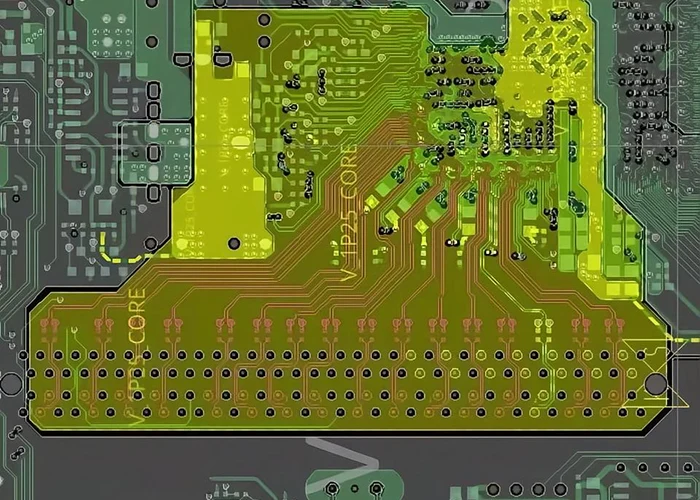
With the rapid development of high-speed electronic systems, signal integrity has become a core concern in modern PCB design.


With the rapid development of high-speed electronic systems, signal integrity has become a core concern in modern PCB design.
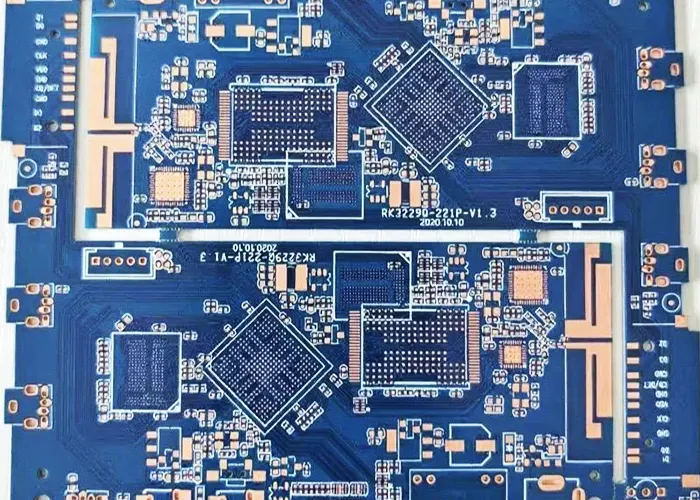
PCB pricing in 2026 remains one of the most misunderstood topics in electronics manufacturing. On the surface, a printed circuit board appears simple: a fiberglass substrate with copper traces.
Yet in practice, two boards with similar physical size can differ in cost by three orders of magnitude.
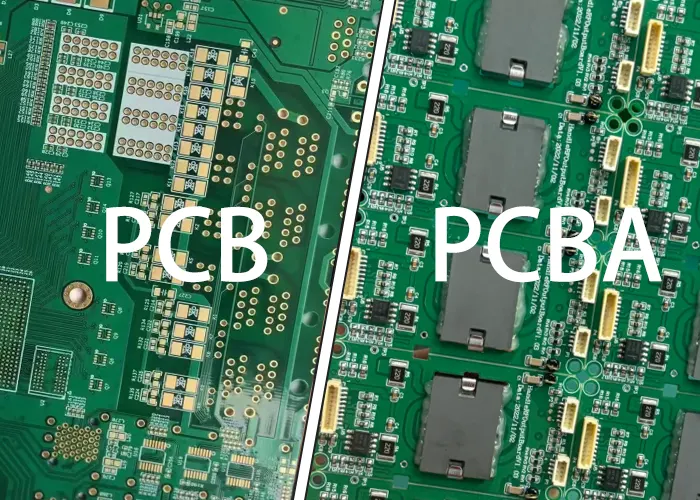
To understand electronic manufacturing, it is essential to recognize that PCB and PCBA are not competing technologies. Rather, they represent […]
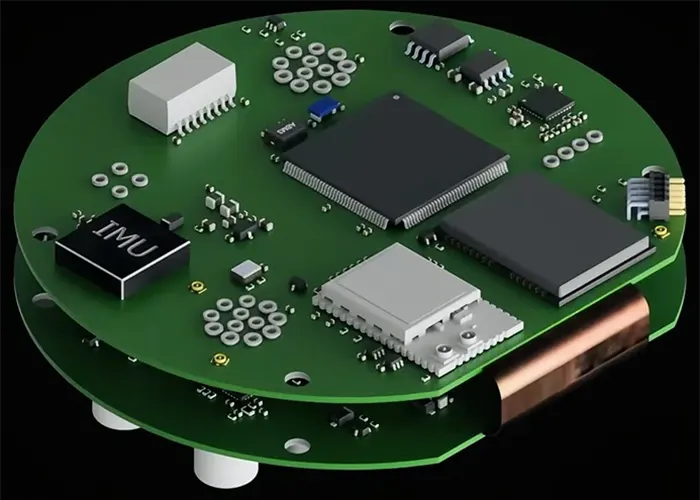
Rigid-flex printed circuit boards (R-FPCBs), also known as rigid-flex boards or rigid-flexible boards, are commonly referred to as rigid-flex boards.
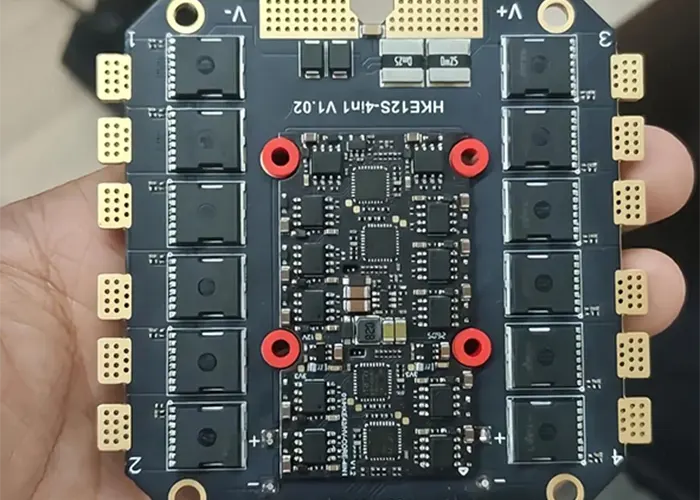
With the rapid development of electronic devices, printed circuit boards (PCBs) have evolved from single- and double-sided boards to multilayer boards, utilizing blind and through-holes (hereinafter referred to as “blind-through holes”) to enable signal transmission and interconnections.
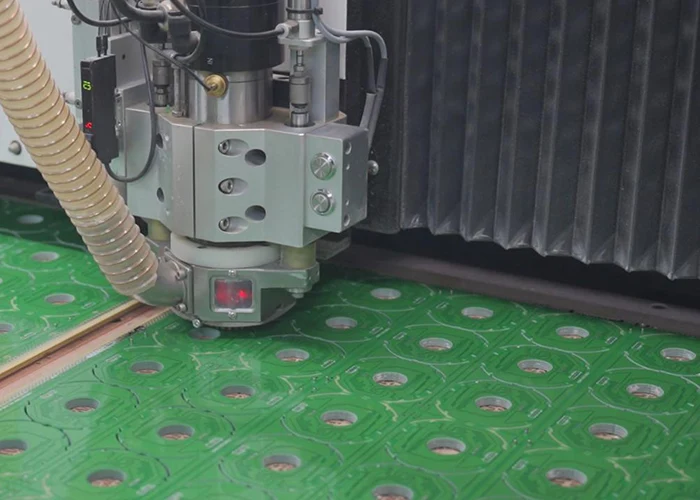
Rigid-flex printed circuit boards (RFPCBs) combine the rigidity of rigid printed circuit boards (RPCBs) with the flexibility of flexible printed circuit boards (FPCB).
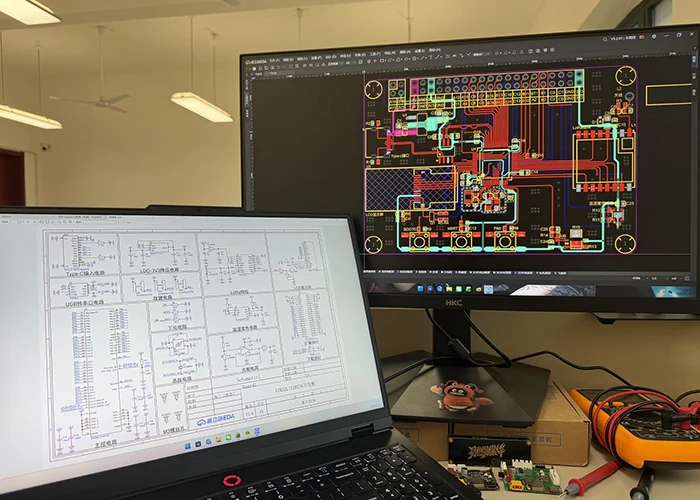
The layout of components on a PCB is of critical importance. A correct and reasonable layout not only makes the board look neater and more aesthetically pleasing, but also affects the length and number of printed conductors. A well-designed PCB component layout is of paramount importance for enhancing the overall performance of the device.
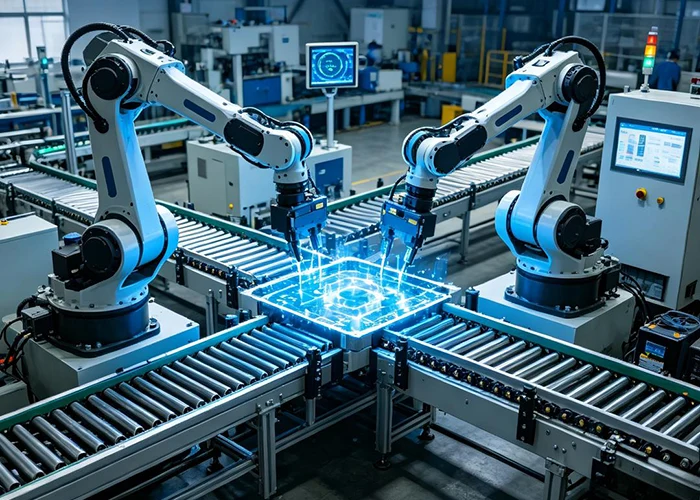
Printed circuit boards (PCBs) serve as the key medium for signal transmission and circuit connections in electronic devices, and their surface quality directly determines the operational stability of these devices.
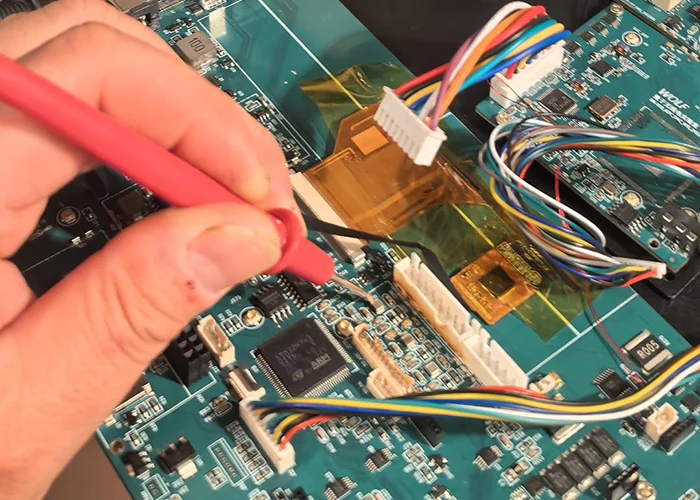
Advances in information technology have placed higher demands on electronic components in terms of miniaturization, high integration, high frequency, and low loss.
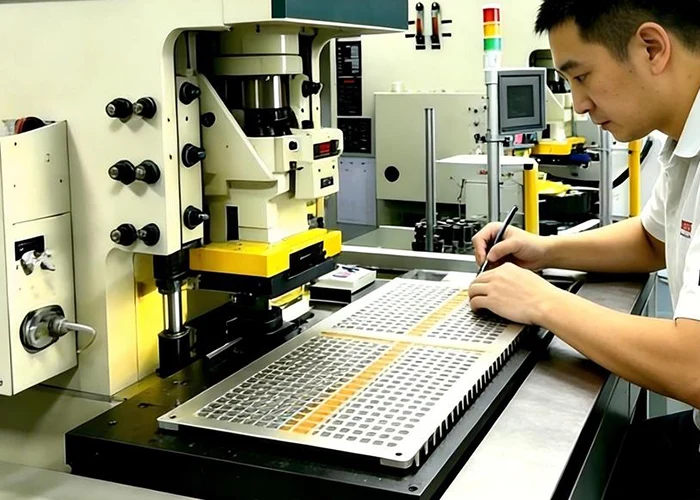
With the advancement of high-performance electronic devices, the demands placed on printed circuit boards (PCBs) are becoming increasingly stringent.